
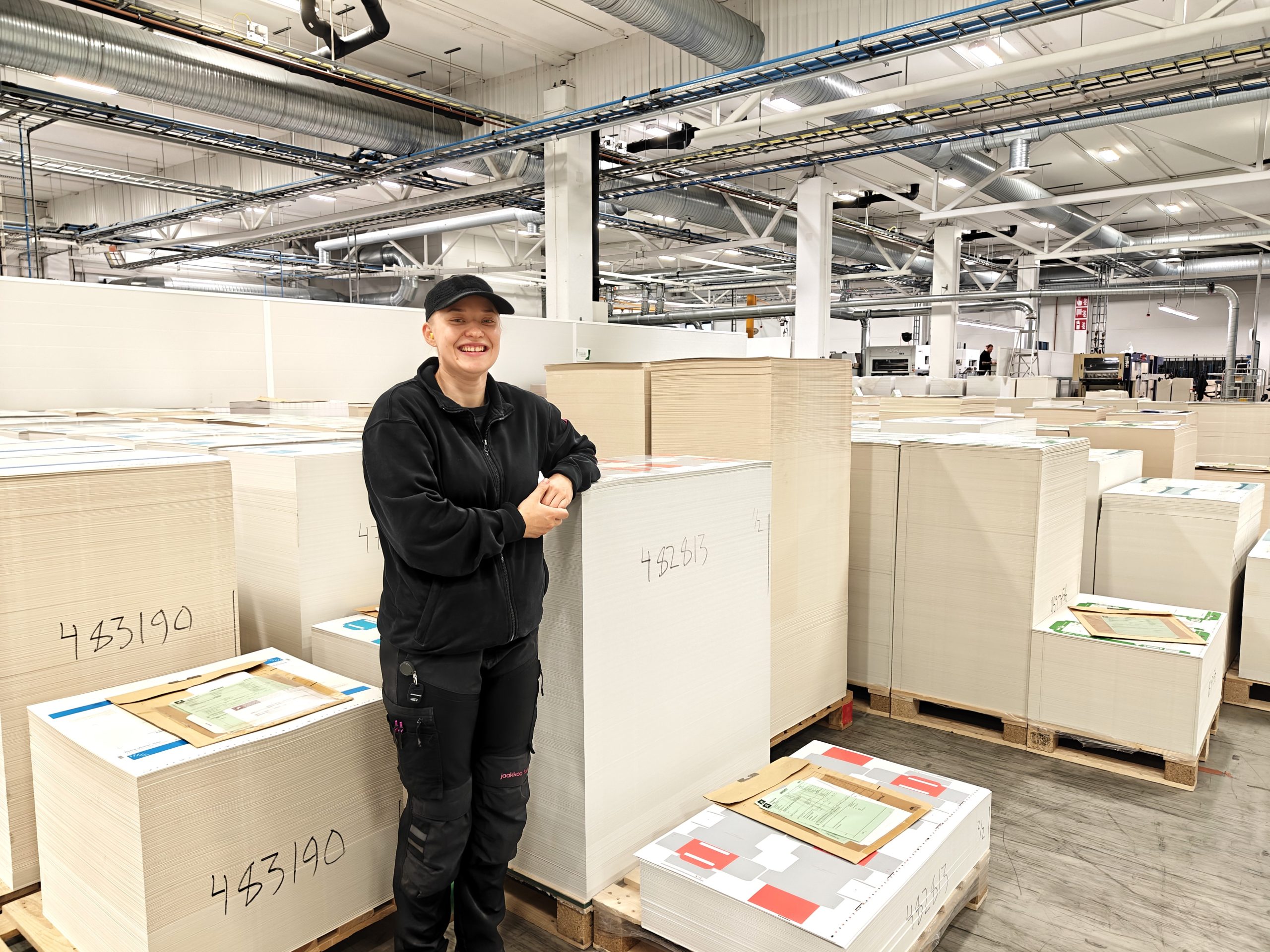
Bio- and chemical engineering student Pilke Kössi completed her bachelor’s thesis this spring. The aim of the study was to determine whether the examined paperboard materials differed in terms of their measurable properties and whether there was variation between different material batches. Kössi’s supervising lecturer informed her about the opportunity to complete her thesis for Jaakkoo-Taara, which she felt was an excellent fit, and the collaboration got underway quickly.
The study examined only a small proportion of the total amount of material, meaning that no broad general conclusions can be drawn from the results.
– Paperboard is a fibre-based, living material in which variation is natural. The key finding was that thinner paperboards showed more variation than thicker materials. The specific volume, or bulk, of the paperboard materials was almost the same across all the materials examined. Maintaining consistent quality is more challenging with thinner materials than with thicker ones, Kössi explains.
Based on the measurement results, it is not possible to conclude directly whether material variation causes disruptions in the packaging process.
– Investigating disruptions in the packaging process would require information from the early stages of the process, data on the performance of the finished cartons, and an examination of the other stages of the process. Variations between material batches may be influenced by structural factors, process-related factors and environmental conditions, Kössi explains.
Kössi is interested in taking the research further in the future. There are several possible topics for further study.
– I could, for example, study friction after printing and examine a wider range of materials. It would also be interesting to carry out measurements at different stages of the printing process, such as after die-cutting, or to measure bending properties. It would also be worthwhile to study the conditions in the packaging process, especially how humidity affects the behaviour of the material, Kössi says.
The experience provided new insights into carton printing and the packaging industry
According to Kössi, the collaboration with Jaakkoo-Taara worked very well, and completing the thesis was a highly positive experience. While doing the measurements, she received support and assistance from the company’s personnel.
– It was nice to see everyone come over to say hello and ask how things were going while I was doing the measurements. I received a very warm welcome and had the opportunity to see many new things and build valuable professional connections, Kössi says.
Jaakkoo-Taara also supported Kössi by making it possible for her to carry out measurements at several different sites and production facilities. Completing the thesis for Jaakkoo-Taara provided her with practical knowledge of paperboard printing and the packaging industry.
– I was especially surprised by the production volumes, the speed of the printing process and the sheer size of the warehouses. It was fascinating to see how many stages are involved in manufacturing something like pharmaceutical packaging, Kössi says.
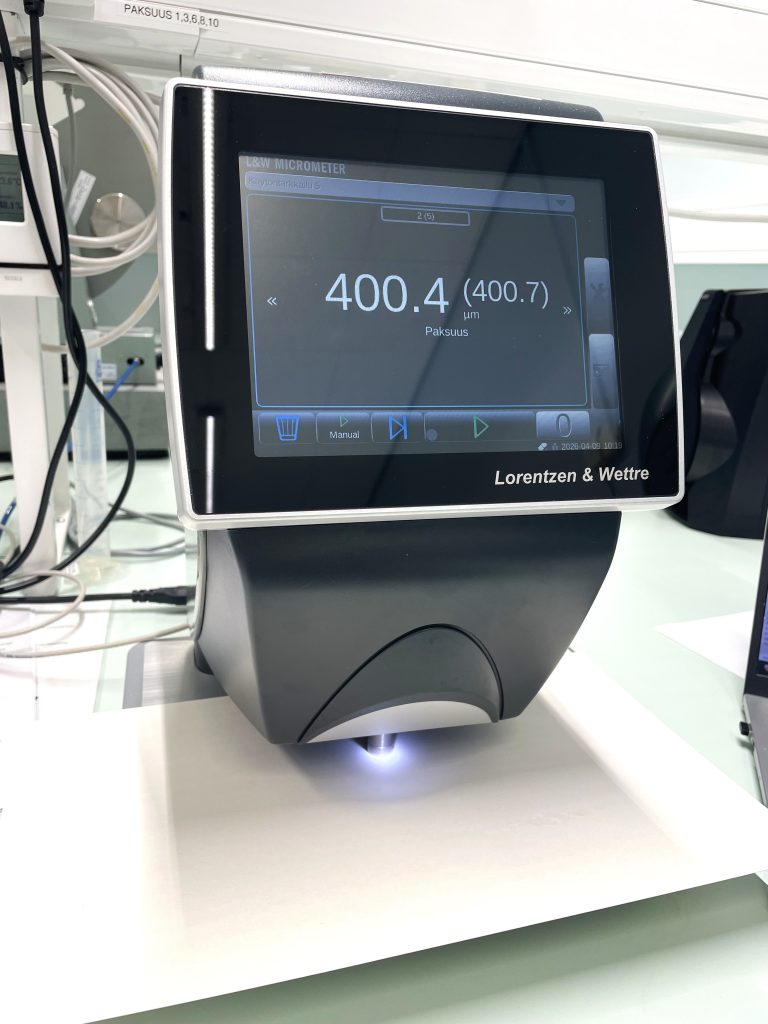
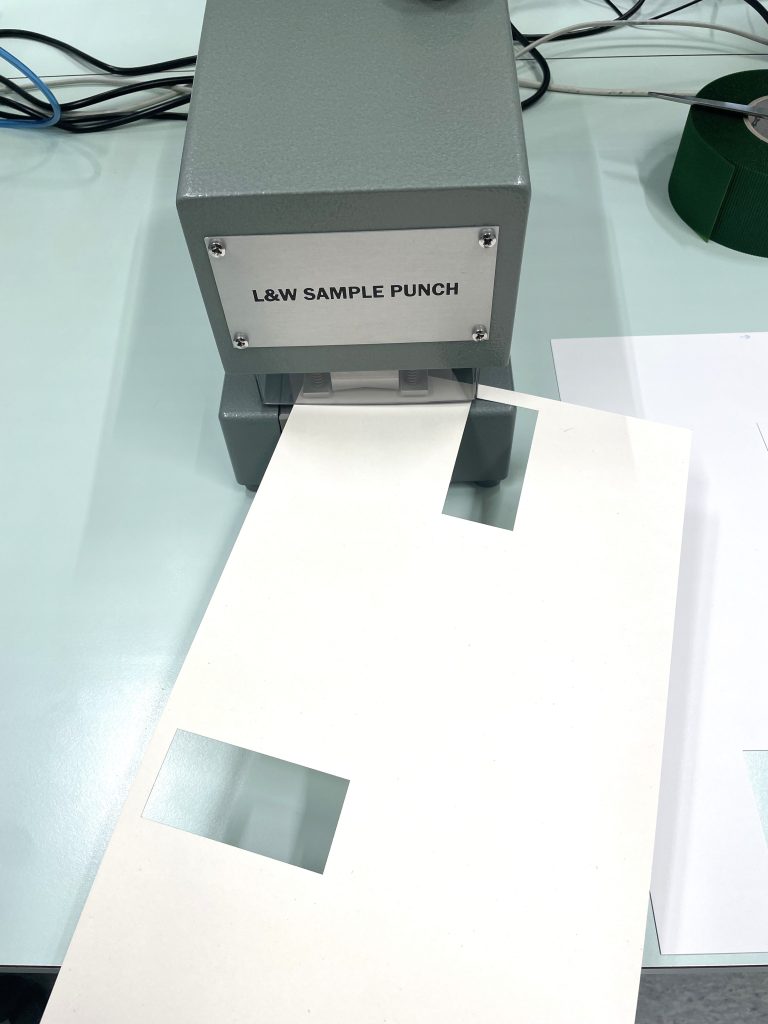
Kössi was able to use folding cartons produced by Jaakkoo-Taara for one of its customers and carried out measurements at the Metsä Board laboratory in Kyröskoski.
– I was able to use Metsä Board’s laboratory equipment for my research. They arranged accommodation and meals for me in Kyröskoski, organised a tour of the laboratory and introduced me to the equipment and measurement methods, Kössi says.
At the moment, Kössi is focusing on both her studies and her sporting career, but she would be happy to work at Jaakkoo-Taara in the future.
– Jaakkoo-Taara seemed like a pleasant and versatile working environment where I could make good use of my skills. I am particularly interested in quality control, problem-solving, work that requires precision, and applying my analytical and research skills, Kössi says.
Pilke Kössi would like to thank the entire Jaakkoo-Taara team, the customer using the folding cartons, and the staff at Metsä Board for their support, assistance and encouraging welcome throughout the thesis project.